




Life Cycle Assessment (LCA) Services as per ISO 14040/44 Standards
SCOPE OF WORK
Comprehensive evaluation of product sustainability across every life cycle stage
Life Cycle Assessment (LCA) Process

Slide 1: Application Process
Start as a new or existing client to initiate the independent LCA review.

Slide 2: Data Collection and Review
Assess inventory data, system boundaries, and documentation for completeness and accuracy.

Slide 3: Data Verification via On-Site / Remote Audit
Validate methodologies, assumptions, and results through detailed audit checks.

Slide 4: Interaction and Clarification
Address reviewer feedback, refine data sets, and ensure transparency through open communication.

Slide 5: Critical Review Report
Receive an independent report confirming compliance with ISO 14040 and ISO 14044 standards.
Life Cycle Assessment (LCA) Process


Empowering Key Industries through LCA Study
Through independent and tailored evaluations, IRQS aligns each review with ISO 14040 and ISO 14044 standards delivering credible validation that enhances environmental performance, strengthens sustainability reporting, and builds lasting stakeholder trust.

Marine
Keeping fleets seaworthy, efficient, and compliant with international standards.
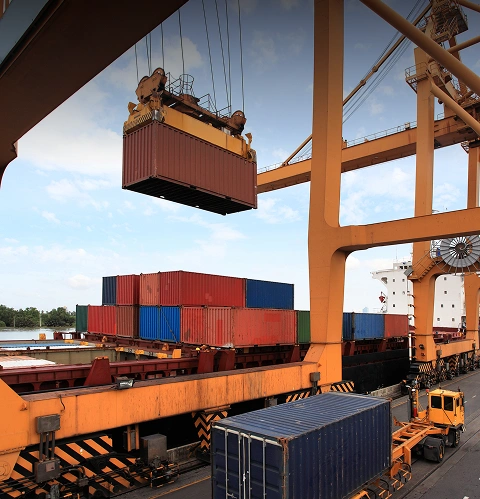
Ports & Shipping
Ensuring cargo moves safely, securely and smoothly across global borders.
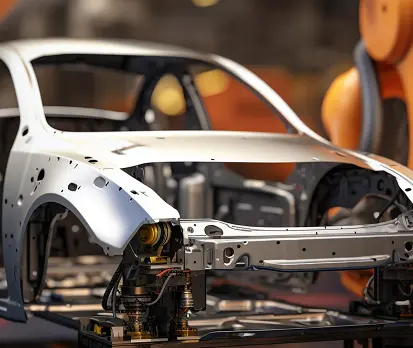
Automotive
Driving innovation, safety, and quality throughout the automotive supply chain.

Engineering
Empowering innovation through precision, compliance and trusted certification.

Food & Beverage
Safeguarding consumers through rigorous quality and food-safety assurance.

Healthcare
Enhancing patient trust with reliable systems and certified quality standards.

Information Technology
Protecting data and infrastructure with recognized security frameworks.

Banking & Non-Banking Financial Services
Building confidence through strong compliance and integrity.

Education
Strengthening institutions with globally benchmarked quality frameworks.

Chemical
Promoting safe production, responsible handling, and sustainable chemical management.

Energy
Driving efficiency, reliability, and sustainability across energy systems.

Retail
Enhancing customer confidence through verified quality and ethical sourcing.

Building & Infrastructure
Delivering safe, durable, and compliant structures built on trust.

Agriculture
Supporting sustainable, safe, and responsible food and crop production.
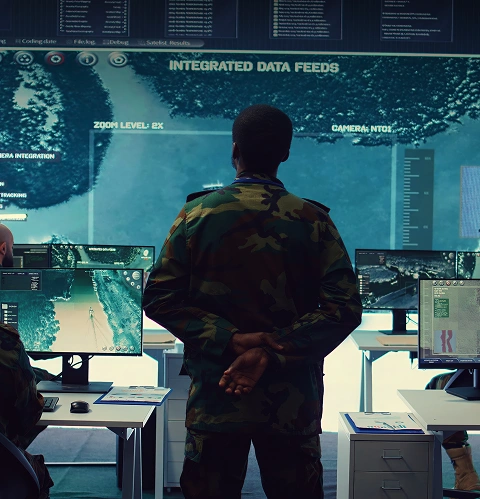
Defence
Ensuring readiness and reliability through robust certification systems.

Electronics
Verifying quality, safety, and reliability in fast-evolving technologies.

Oil & Gas
Strengthening safety, environmental responsibility, and operational control.

Pharmaceuticals
Ensuring the quality, safety, and integrity of life-saving medicines and products.

Ensure Accuracy and Transparency in LCA Studies
Delivering trusted, science-based assurance for credible, consistent, and transparent life cycle assessments



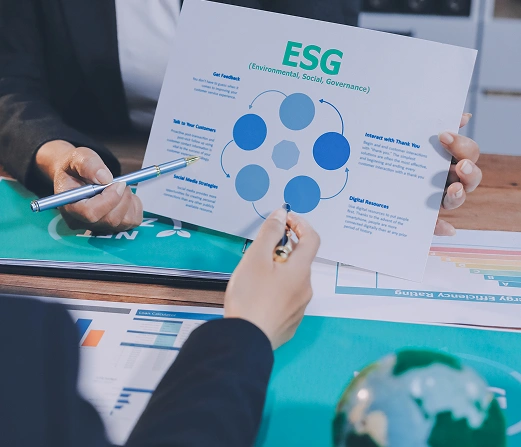

Strengthen Sustainability Reporting Through LCA Training
Trusted Partner for LCA Critical Review and Environmental Assessment
Your ISO 14040 & ISO 14044 Life Cycle Assessment (LCA) Questions—Answered
Get Certified with Confidence
Start your journey today with trusted experts in certification, assurance and training who make the process simple seamless and stress free.
Get Certified